
Leaks on Aqueduct 3 disrupted water service in northern and eastern La Paz neighborhoods
The municipal utility repaired the line over the weekend; service returns on each area's next scheduled rationing cycle.
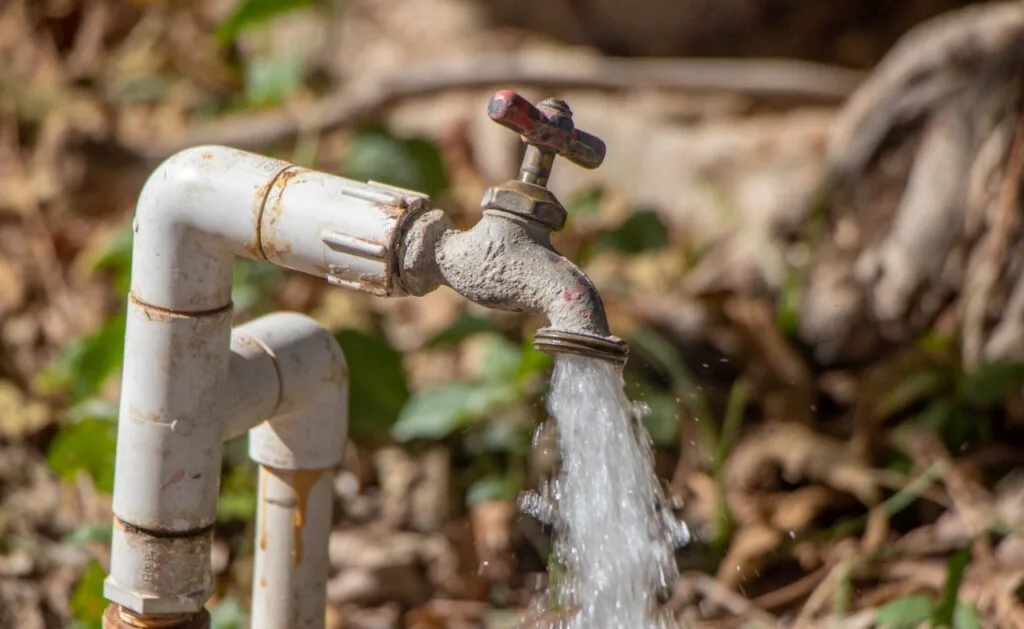
Leaks on La Paz's Aqueduct 3 disrupted drinking-water service over the weekend in northern and eastern neighborhoods of the city, the municipal water utility (OOMSAPAS) reported. Repair work was carried out to restore the line and normalize the rationing schedule as soon as possible.
Among the areas hit by the drop in pressure were, to the north, the Choyal, Ciudad del Cielo, part of Colina de la Cruz, Colina del Sol del Esterito and Ladrillera neighborhoods; and to the east, Agua Escondida and El Cardonal. Service is being restored gradually as the work wraps up.
According to the utility, this kind of failure on the supply line forces crews to suspend pumping temporarily while they work on the pipe. Once the repair is finished, supply returns to each neighborhood on its corresponding rationing (tandeo) cycle.
As a guide for residents: anyone left without water can report it to OOMSAPAS La Paz at 612 123 8600 and through the "App La Paz" mobile application, which logs no-service and per-address leak reports. Keeping water stored in rooftop tanks and cisterns is advisable ahead of any outage, especially in neighborhoods that depend on rationing.
Aqueduct 3 is one of the key lines supplying the northern and eastern parts of the urban area, so its failures affect several neighborhoods at once. The utility says it is monitoring the network and prioritizing emergency repairs over other reports across the city.
Related
The water utility said the main aqueducts were not damaged and that it keeps 24-hour crews on duty; reports are taken at (624) 146-7600.
The works in the Santo Domingo Valley are due in December; the state agriculture agency is measuring groundwater levels to assess the aquifer.
The nearly 3 million-peso FAISMUN-funded project will serve 2,211 people and is expected to be finished in mid-December.
State health officials report more than 13,000 hectares fumigated and over 1,500 homes visited; rapid tests and free larvicide at Health District 1.