
BCS Health Ministry logs 66 heat cases this year and urges stronger hydration measures
The agency has confirmed two heat-stroke deaths and one more under review, with temperatures topping 40°C across parts of the state.
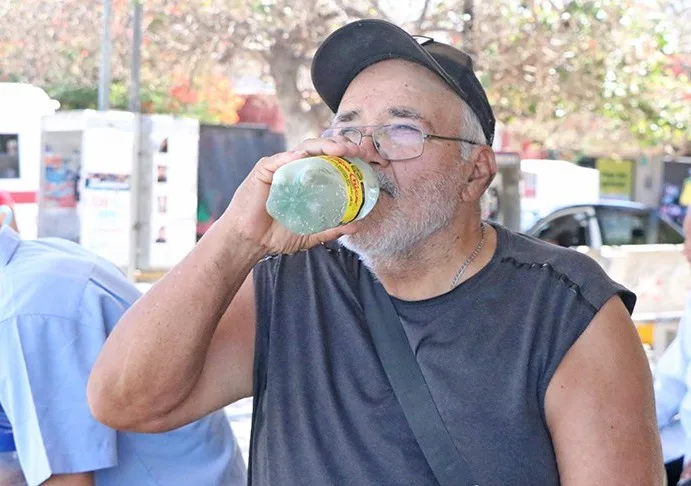
With temperatures above 40°C across parts of the state, Baja California Sur's Health Ministry urged residents to step up prevention against the effects of heat after logging 66 medical cases linked to high temperatures so far in 2026, two confirmed heat-stroke deaths and one more under review.
Health Minister Ana Luisa Guluarte Castro stressed that the top recommendation is proper hydration through the frequent intake of plain water, avoiding prolonged sun exposure at peak hours and wearing light-colored clothing, a hat and sunglasses. For those working outdoors, the Health Ministry insisted on taking periodic breaks in shaded, well-ventilated spaces.
Children and older adults are the highest-risk groups because they lose fluids faster and dehydrate more easily. Dry mouth, fatigue, dizziness or headache are early warning signs that require an immediate increase in fluids; if symptoms persist, call 911.
Practical tips for these days
- Drink plain water even when you don't feel thirsty, in small sips throughout the day.
- Avoid alcohol and sugary or caffeinated drinks during peak heat.
- Never leave children or pets inside parked vehicles, not even for a few minutes.
- Cool your home by convection: open opposite windows in cooler hours and close them by midday.
- Watch food hygiene and refrigeration — diarrheal illnesses rise with heat.
The highest heat-risk months in Baja California Sur run from July through September, when coastal humidity pushes the heat index higher near the sea. In case of heat stroke — with symptoms such as confusion, hot flushed skin or loss of consciousness — move the person to a cool spot, hydrate them and seek emergency medical care.
Related
The State Civil Protection Council suspended all grade levels and both shifts in three municipalities ahead of rainfall of up to 150 millimeters.
The State Civil Protection Council forecasts 75 to 155 millimeters of accumulated rain Saturday through Tuesday and restricts sea access at beaches in both municipalities.
The Civil Protection Council approved five preventive measures, enabled shelters in Cabo San Lucas and San José del Cabo, and urged residents not to cross arroyos.
The city reports 50 to 75 mm forecast and 30.6 mm recorded, with no major damage; OOMSAPAS guarantees the water supply.