
La Paz offers free emergency therapy for people with disabilities, neurodivergent people and LGBT+ residents in emotional crisis
The Municipal Inclusion Office provides sessions Monday to Friday, 8 a.m. to 3 p.m., in person or by video call.
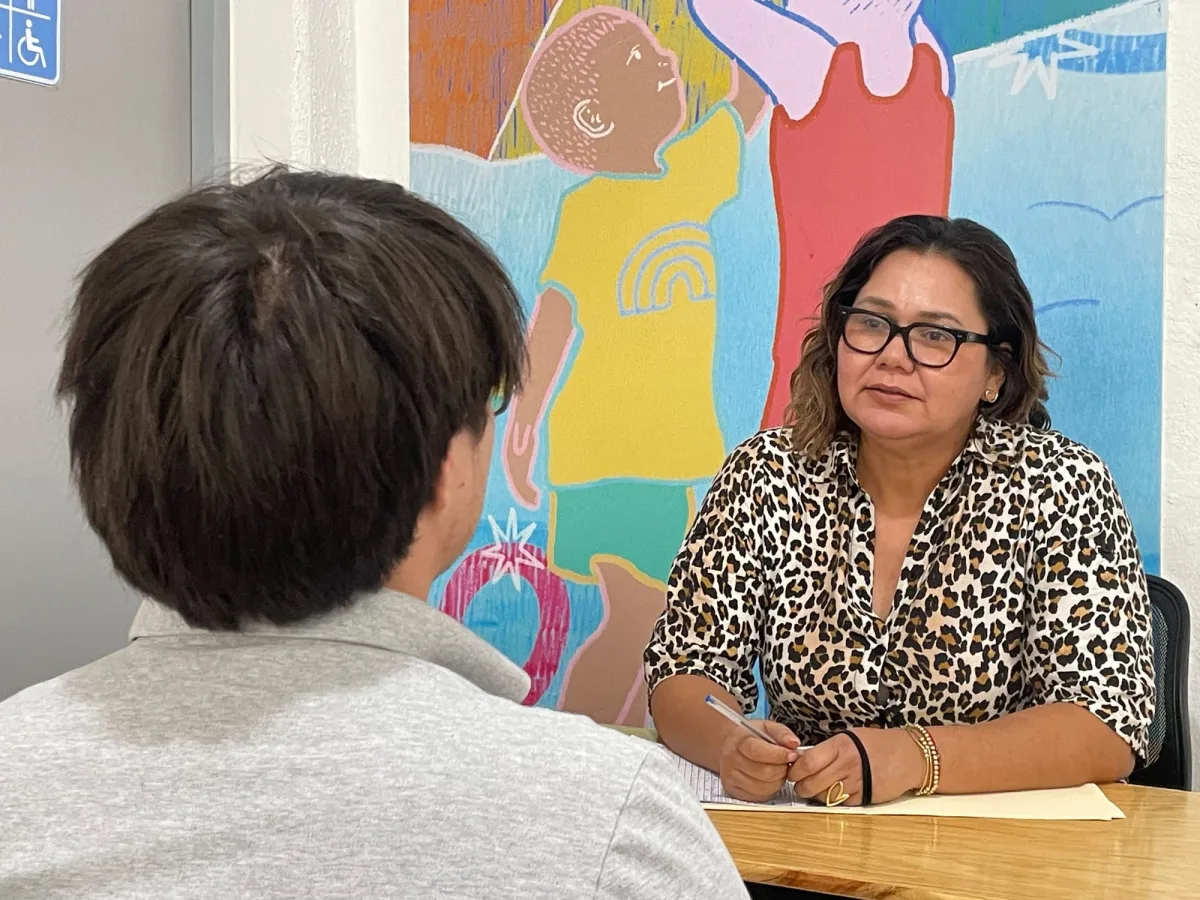
The city of La Paz is offering free emergency therapy sessions for people with disabilities, neurodivergent people and members of the LGBT+ community going through an emotional crisis, the Municipal Inclusion Office announced on Friday, October 16. The service runs Monday through Friday, 8 a.m. to 3 p.m., in person or by video call.
What it involves
According to Inclusion Director Fabricio Arraut, it is a session of emotional containment and guidance with a psychologist, aimed at identifying possible risk factors. It does not replace long-term psychological treatment, but it offers first-line support at a critical moment and guidance on next steps.
The service is open to all ages. Minors must be accompanied by a parent or legal guardian.
How to request a session
- Instagram: direct message to @esinclusion.
- Phone: 612 123 7900, extension 2801.
- Office: 30 Estado Street, at the corner of Mar de Cortés, 8 de Octubre Primera Sección neighborhood, in the city of La Paz.
- Hours: Monday to Friday, 8 a.m. to 3 p.m.
If a crisis happens after hours
The municipal service only operates on weekday mornings. If someone is in immediate danger at night or on a weekend, call 911. Mexico's federal Línea de la Vida hotline, 800 911 2000, is also available 24/7, free and confidential (service in Spanish).
For anyone supporting a relative or friend in crisis, mental health services generally advise not leaving the person alone, listening without judgment and seeking professional help as soon as possible.
Related
Staff from Guerrero's Civil Registry will serve residents at the covered court in the Las Palmas neighborhood, 9 a.m. to 5 p.m.; some procedures are free and others discounted.
Los Cabos' IMAIA will hold both contests on November 1 at the León Cota Collins public plaza; Halloween costumes and materials are not allowed.
Training starts December 2, runs 10 months, and requires applicants to be at least 17 and a half with high school completed or in progress.
Plastic, paper, cardboard, glass, cans, Tetra Pak, expired medicine, batteries and appliances will be accepted from 8 a.m. to 1 p.m.