
Safe Summer 2026: La Paz inspects eight nightspots with a preventive approach
The Municipal Trade Office reviewed licenses, hours and operating conditions from Aug. 20 to 22 without issuing penalties.
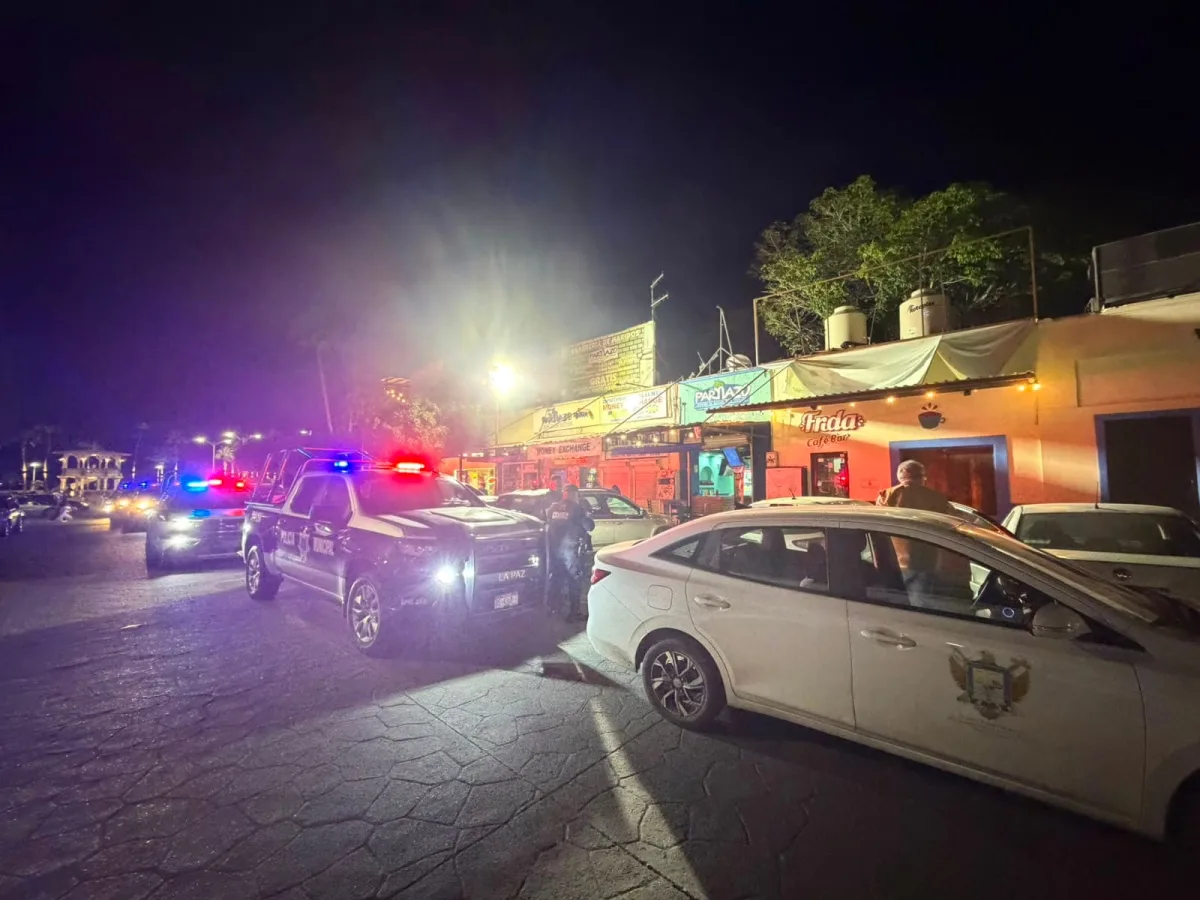
The city of La Paz inspected eight nightspots between Thursday, Aug. 20, and Saturday, Aug. 22, to verify they operate legally, as part of the Safe Summer 2026 program. The rounds checked business licenses, compliance with authorized hours and operating conditions at various points across the city.
The Municipal Trade Office and the La Paz Regional Security Board took part in the operation. According to city officials, no penalties were issued, since the goal was to guide owners and flag pending issues before they become violations.
"Buscamos prevenir antes que sancionar. Si un negocio tiene algo pendiente, es importante que lo sepa y lo atienda para seguir trabajando en orden" ("We aim to prevent rather than penalize. If a business has something outstanding, it's important they know and address it to keep operating in order"), said Municipal Treasurer Jassiel Enríquez Varela.
The program runs during the busiest season of the year, when nightlife and tourism rise in the Sur California capital, and seeks to keep bars, clubs and alcohol-selling venues in order without curbing their economic activity.
Owners with questions about renewals, licenses or operating requirements can go directly to the Municipal Trade Office to sort out their status. Keeping municipal paperwork current and respecting authorized hours avoids closures and fines later, especially during a period of stepped-up inspection.
Related
The sessions with principals and parent associations began Oct. 19 in Guerrero Negro and end Oct. 28 in San José del Cabo.
Fondo de Cultura Económica's Letras Peninsulares route will stop at schools and public spaces with 2,000 titles and free cultural activities.
The city's Commerce Department updated the list; Pancho Barraza, Yuridia and Alejandro Sanz are green, while Julieta Venegas and four others remain under review.
Work includes lighting, playground equipment, benches and perimeter fencing in city neighborhoods, El Centenario and Chametla.