
Los Cabos extends local ecological zoning review to 90 days
The city extended the POEL analysis from 30 to 90 days to address every citizen input before approving the land-use model.
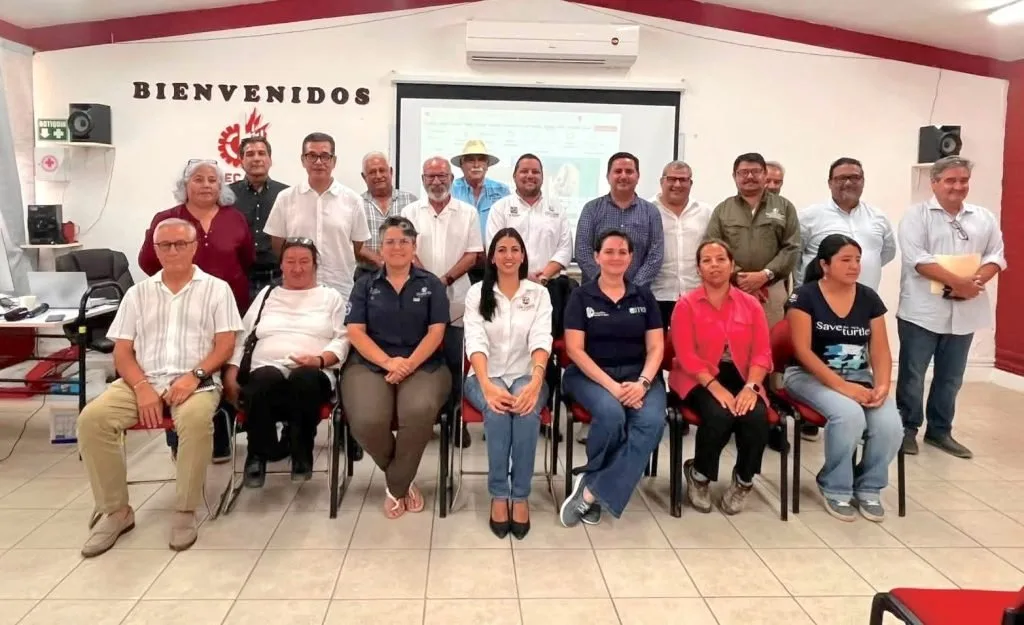
The Los Cabos city government extended the review period of the Local Participatory Ecological Zoning Program (POEL) from 30 to 90 days. The POEL is the instrument that defines how the municipality's land can be used and conserved, and the decision was made at the First Extraordinary Session of the Local Participatory Ecological Zoning Committee.
According to the General Directorate of Ecology and Environment, the extension seeks to guarantee a thorough technical analysis and to give a specific response to every citizen contribution, in line with applicable regulations.
The head of the agency, Jorge Armando López Espinoza, said that after reviewing the comments an adjusted proposal of the model will be presented and a second public consultation period will open, so residents can see the changes and take part again.
The POEL matters to anyone who lives, invests or works in Los Cabos, because it sets which areas are designated for housing, tourism, conservation or productive activities, and therefore shapes permits, construction and the protection of streams and natural areas. It is one of the few tools through which a resident can directly influence how their community grows.
To take part, residents can approach the General Directorate of Ecology and Environment at the city offices, at Blvd. Mijares No. 1413, San José del Cabo, or call (624) 146-7600 to learn the dates of the new consultation period. It is best to submit comments in writing with concrete details about the area or topic of interest, since these must receive a specific response.
Related
The sessions with principals and parent associations began Oct. 19 in Guerrero Negro and end Oct. 28 in San José del Cabo.
Fondo de Cultura Económica's Letras Peninsulares route will stop at schools and public spaces with 2,000 titles and free cultural activities.
The city's Commerce Department updated the list; Pancho Barraza, Yuridia and Alejandro Sanz are green, while Julieta Venegas and four others remain under review.
Work includes lighting, playground equipment, benches and perimeter fencing in city neighborhoods, El Centenario and Chametla.