
Los Cabos moves to cut emergency response times and regulate ambulances
The security roundtable agreed on a plan to coordinate hospitals and emergency services and improve prehospital care in the municipality.
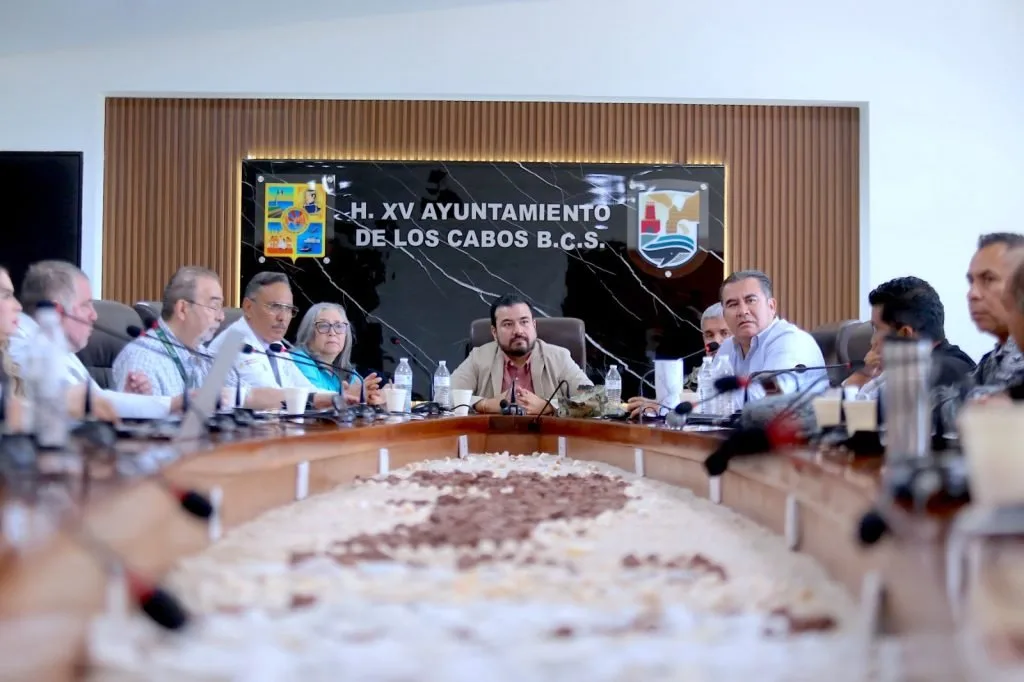
The Los Cabos city government, hospitals and emergency services agreed on a work plan to cut response times for medical emergencies and regulate ambulance service in the municipality, following a security roundtable held this week.
The agreements include setting safety and response-time standards for ambulances, strengthening operational coordination between health and emergency institutions, and opening direct communication channels among the agencies that respond to an emergency. "Coordination saves lives, because when institutions work toward the same goal" better care is achieved, said acting council member José Manuel Larumbe Pineda.
The measure addresses a frequent complaint in Los Cabos and its tourist corridor, where the distance between districts and the flow of visitors complicate the timely arrival of an ambulance. Regulating the service aims to keep units without minimum safety and equipment standards off the road.
For residents, the practical point does not change: in a medical emergency, call 911, which operates around the clock and channels prehospital care. When reporting, give the exact location, describe the person's condition and do not hang up until the operator says so.
The security roundtable is where municipal authorities, police corporations and the health sector coordinate actions; the announced agreements are to become operating protocols in the coming weeks.
Related
The sessions with principals and parent associations began Oct. 19 in Guerrero Negro and end Oct. 28 in San José del Cabo.
Fondo de Cultura Económica's Letras Peninsulares route will stop at schools and public spaces with 2,000 titles and free cultural activities.
The city's Commerce Department updated the list; Pancho Barraza, Yuridia and Alejandro Sanz are green, while Julieta Venegas and four others remain under review.
Work includes lighting, playground equipment, benches and perimeter fencing in city neighborhoods, El Centenario and Chametla.